All Categories
Featured

The Professional Guide to Floor Maintenance
Table of Contents
Utilize a manufacturer-approved cleaner when the floor needs a much deeper cleansing. Getting rid of dirt before it grinds into the finish assists preserve the floor with less work.
Solid wood, engineered hardwood and wood-look items have different care requirements. Even 2 wood floorings can need different products because their surfaces aren't the same. Start with the floor covering manufacturer's written care directions. If those aren't readily available, search for the product name or installation records. A flooring professional can likewise help determine the material and finish.
Apply the item as directed rather than assuming a more powerful concentration will clean much better. Excessive cleaner can leave residue that makes the surface appearance cloudy or attracts more dirt. Be mindful with homemade cleansing mixtures. Active ingredients that appear mild can impact a surface in time. Vinegar is acidic, oil-based items can leave residue and abrasive powders can scratch the surface.
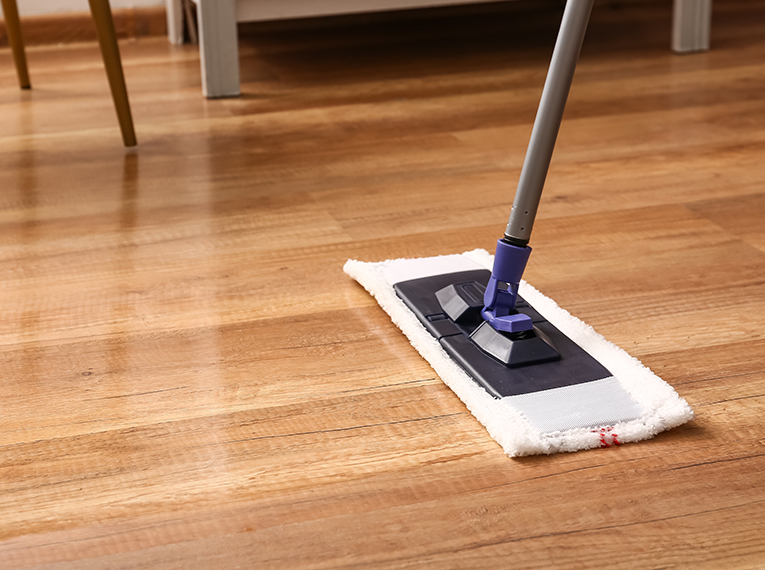
Check any authorized cleaner in a little, inconspicuous location first if you're uncertain about how the finish will respond. Water and hardwood flooring do not blend well when moisture is allowed to sit. Excess water can get in joints, affect the surface or contribute to swelling and discoloration. Utilize a gently dampened mop rather than a soaking-wet one.
Modern Techniques for Pristine Wood Floors
Work in manageable areas and wipe up remaining wetness quickly. Prevent utilizing bleach, ammonia, abrasive scrubbers or other extreme products unless the flooring manufacturer specifically authorizes them. These cleaners can damage or dull specific finishes. Steam cleaning also requires caution. Steam presents heat and moisture into the floor, including along joints and seams.
Preventive care decreases the quantity of cleaning and repair a wood flooring requirements. Location mats at entryways to capture grit before it reaches the flooring.
Tidy underneath them regularly since caught particles can still scratch the finish. Examine the flooring maker's guidance before picking a carpet pad. Some rubber, latex or adhesive supports can respond with certain finishes or leave marks. Use a nonstaining pad suggested for the floor covering. Connect felt or manufacturer-approved pads below chair legs, tables and other furniture.

A Expert Guide to Hardwood Care
Pads can use down or gather grit that scratches the flooring when furnishings moves. Never ever drag heavy furnishings across hardwood.
Dry the area completely when finished. Withstand the urge to scrape the flooring with a sharp tool or use a stronger chemical.
Surface cleansing might not attend to wetness that has reached the wood or subfloor. Routine cleaning is likewise an opportunity to examine the floor.
Deep scratches that expose bare wood need more attention due to the fact that the protective layer has been broken. Sunlight can also change the color of wood with time. Window coverings may help in reducing direct exposure. Moving carpets and furniture occasionally can encourage more even color changes, but owners must follow manufacturer guidance before putting or relocating floor coverings.
Routine care can protect hardwood, but it can't remedy every issue. A flooring specialist should assess extensive surface loss, deep scratches, water damage, loose boards or substantial staining.
Reviewing Best Wood Floor Cleaning Strategies
Some floorings can be screened and recoated to refresh the protective finish. Engineered wood can have limits on how much sanding it can tolerate, depending on the density of its real-wood wear layer.
Tile and Grout Care GuidesDo not wait till exposed wood or moisture damage spreads. The most effective wood floor care isn't complicated.

Latest Posts

Eliminating Tough Dander From Living Rooms

Advanced Fabric Vapor Cleaning Practices
The Professional Guide to Floor Maintenance